Introduction
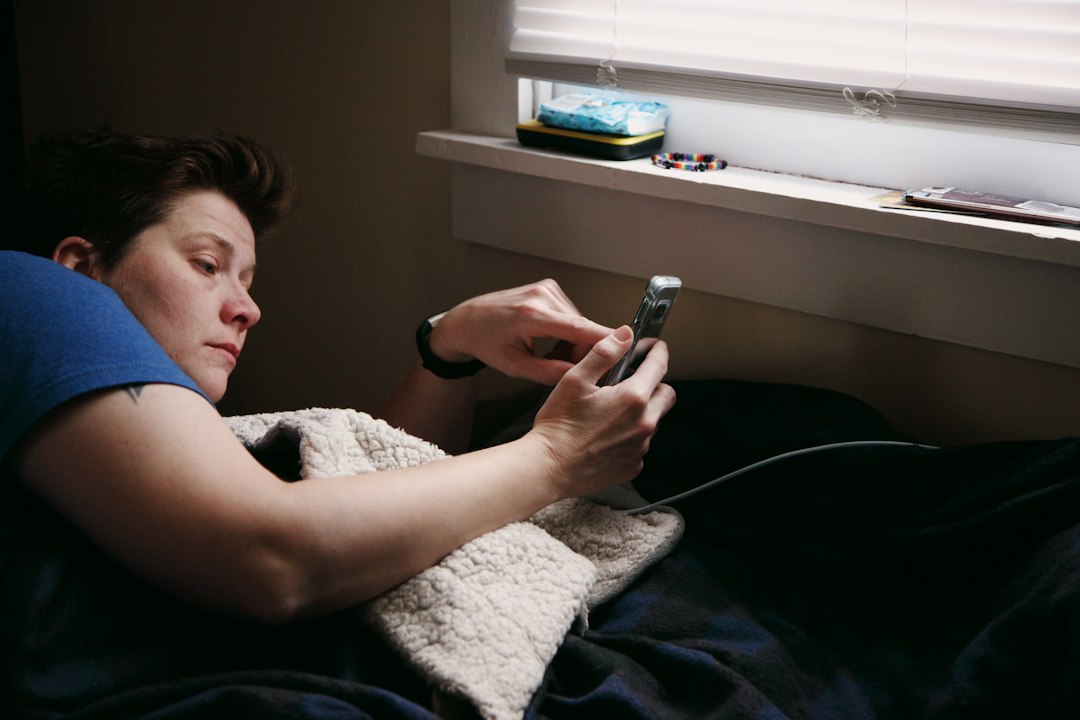
If you're spending your evenings scrolling through your phone or working late on your laptop, you're likely exposing yourself to significant amounts of blue light—and your sleep might be paying the price. The question of how does blue light affect sleep has become increasingly important as screens dominate our daily lives. For adults over 40, this problem can feel especially frustrating: you're trying to wind down after a long day, but instead of feeling naturally sleepy, your mind remains alert and your body refuses to settle into rest.
Blue light, the high-energy visible light emitted by smartphones, tablets, computers, and LED lighting, fundamentally interferes with your body's natural sleep-wake cycle. This isn't a minor inconvenience—it's a physiological disruption that affects everything from your hormone production to your cognitive function the next day. Understanding this connection is the first step toward reclaiming better sleep and protecting your long-term health.
What Is Blue Light and Why Does It Affect Sleep?
Blue light exists on the visible light spectrum between violet and green, with wavelengths between 380 and 500 nanometers. Your eyes are particularly sensitive to this range, and your brain has specialized receptors—called intrinsically photosensitive retinal ganglion cells (ipRGCs)—that detect blue light specifically. These cells don't primarily control what you see; instead, they regulate your circadian rhythm, the 24-hour biological clock that governs sleep, wake times, hormone release, and countless other bodily functions.
During daylight hours, exposure to blue light is beneficial. Natural sunlight contains significant blue light wavelengths, and your brain uses this signal to maintain alertness, boost mood, and keep your circadian rhythm synchronized with the sun's natural cycle. However, artificial blue light from screens is different. When you expose yourself to this light in the evening—precisely when your circadian rhythm is preparing your body for sleep—you send a conflicting signal to your brain. Your body interprets screen-based blue light as a signal that it's still daytime, which suppresses the production of melatonin, the hormone responsible for signaling sleep.
A 2022 study published in the Journal of Adolescent Health found that evening blue light exposure significantly delayed melatonin onset and reduced total sleep time across all age groups. The effect is dose-dependent: the more blue light you're exposed to, and the closer to bedtime this exposure occurs, the more disrupted your sleep becomes. For adults over 40, whose circadian rhythms may already be shifting with age, this disruption can compound existing sleep challenges.
Signs and Symptoms of Blue Light Sleep Disruption
The effects of blue light exposure manifest in several recognizable ways. The most obvious symptom is difficulty falling asleep despite feeling physically tired. You might find yourself lying awake for 30 minutes to an hour after getting into bed, your mind active and restless even though you intended to sleep. This delayed sleep onset becomes increasingly frustrating when it happens night after night.
Beyond sleep onset, blue light disruption affects sleep quality. You may experience more frequent nighttime awakenings, shallower sleep, or a sense that your sleep simply doesn't feel restorative. Many people report waking up and immediately reaching for their phone, only to find it's still dark outside—a clear sign that sleep fragmentation occurred throughout the night. Morning grogginess is another common indicator; you wake feeling unrested despite spending adequate time in bed.
Some people also notice changes in their natural sleep timing. Your circadian rhythm may shift progressively later, a phenomenon called "circadian phase delay." This means your body wants to fall asleep at 11 PM or midnight instead of your preferred 10 PM, and correspondingly wants to wake later in the morning. For working adults, this creates a mismatch between when your body wants to sleep and when your schedule demands you be awake.
Additional symptoms can include increased nighttime bathroom trips (nocturia), vivid or disturbing dreams, night sweats, and a general sense of anxiety or alertness that persists into the evening. Some people report eye strain, headaches, or a feeling of overstimulation in the hours after heavy screen use. If you're experiencing any combination of these symptoms and you spend significant time on screens in the evening, blue light is likely contributing to your sleep problems.
How This Disruption Affects Your Daily Life and Health
Poor sleep caused by blue light exposure creates a cascade of negative effects throughout your day and your long-term health. The most immediate impact is cognitive function. Your brain consolidates memories and processes information during sleep; when that sleep is disrupted, your focus, decision-making ability, and memory formation all suffer. You might notice difficulty concentrating at work, slower processing speed, or an increased tendency to make mistakes—all direct consequences of inadequate or poor-quality sleep.
Mood regulation is equally affected. Sleep deprivation increases irritability, anxiety, and depression risk. For adults managing stress or existing mood concerns, this compounds an already difficult situation. You become emotionally reactive, more prone to conflict, and less able to handle daily frustrations. Your emotional resilience simply doesn't function well without adequate sleep.
Physical health consequences are equally significant. Chronic sleep disruption impairs immune function, making you more susceptible to colds and infections. It increases inflammation throughout your body, contributing to conditions like arthritis, cardiovascular disease, and metabolic dysfunction. For adults over 40, whose immune systems are naturally declining, this increased vulnerability is particularly concerning. Sleep deprivation also worsens metabolic health: it increases hunger hormones, decreases satiety signals, and makes weight management significantly harder.
Additionally, the relationship between poor sleep and chronic disease risk is well-established. A 2019 meta-analysis in Sleep Health found that chronic sleep disruption increases risk for hypertension, diabetes, obesity, and cardiovascular events. When blue light affects how you sleep affects your ability to prevent major health conditions, the stakes become clear.
Natural Approaches and Lifestyle Changes
The most effective strategy for managing blue light sleep disruption involves reducing evening screen exposure. Ideally, you should eliminate screens entirely 60 to 90 minutes before bedtime. This gives your melatonin production time to ramp up naturally without interference. For many people, this feels unrealistic given work demands and daily habits, but even partial reduction yields noticeable benefits.
If you must use screens in the evening, use blue light filters or "night mode" settings on your devices. Most smartphones, tablets, and computers now have built-in settings that shift the color temperature of your screen toward warmer (more yellow and red) tones after sunset. While these aren't a complete solution—they reduce but don't eliminate blue light exposure—they provide meaningful improvement when combined with other strategies. Research in Ophthalmic & Physiological Optics (2017) showed that blue light filtering glasses reduced eye strain and improved subjective sleep quality in regular screen users.
Environmental light management is equally important. Your bedroom should be as dark as possible. Even dim light from a bedside clock, phone charger, or streetlight filtering through curtains can interfere with melatonin production. Consider blackout curtains, removing electronic devices from your bedroom, or using an eye mask. Conversely, maximize your morning light exposure. Sunlight in the early morning helps anchor your circadian rhythm and makes it easier to feel sleepy at appropriate times in the evening.
Establish a consistent sleep schedule by going to bed and waking at the same times every day, even on weekends. This consistency strengthens your circadian rhythm and makes it easier for your body to anticipate sleep time. Pair this with a relaxing bedtime routine—reading a physical book, stretching, meditation, or journaling—that signals to your body that sleep is approaching.
Nutrients and Dietary Support for Sleep
While lifestyle changes form the foundation of better sleep, certain nutrients support your body's natural sleep mechanisms. Magnesium is perhaps the most important. This mineral activates your parasympathetic nervous system—your "rest and digest" system—and is essential for melatonin production and sleep maintenance. Many adults, particularly those over 40, have inadequate magnesium intake. Foods rich in magnesium include pumpkin seeds, almonds, spinach, and dark chocolate.
Vitamin B6 (pyridoxine) is another key nutrient for sleep. It's required to produce serotonin and melatonin, both crucial for sleep regulation. Chickpeas, salmon, chicken, and bananas are good dietary sources. Vitamin B12 supports circadian rhythm regulation; deficiency in this vitamin is common in adults over 40, particularly those taking certain medications like metformin.
Calcium works synergistically with magnesium to support sleep. The combination of these two minerals helps regulate neurotransmitters involved in the sleep-wake cycle. L-theanine, an amino acid found in green tea, promotes relaxation without drowsiness and can help you feel calm during evening hours. Glycine, another amino acid, has been shown in research to improve sleep quality and reduce the time it takes to fall asleep.
Your evening meal timing and composition matter as well. Eating a large, heavy meal close to bedtime can interfere with sleep, as your digestive system works when you need rest. However, going to bed hungry also disrupts sleep. A light snack combining complex carbohydrates with protein—such as whole grain toast with almond butter, or Greek yogurt with berries—consumed 2 to 3 hours before bed, provides stable blood sugar and supports melatonin production. Many comprehensive sleep support formulas address these key nutritional factors, which can be particularly helpful when dietary sources alone aren't sufficient.
Frequently Asked Questions
Q: How long before bed should I stop using screens to avoid blue light sleep disruption?
A: Ideally, you should stop screen use 60 to 90 minutes before bedtime to allow melatonin production to increase naturally. However, even 30 minutes of screen-free time before bed provides measurable benefit. If complete avoidance isn't possible, use blue light filters and lower screen brightness, then combine these strategies with other sleep-supporting habits like dim lighting and relaxation techniques.
Q: Are blue light blocking glasses effective?
A: Blue light blocking glasses reduce blue light exposure by 50 to 90 percent, depending on quality and lens coating. Studies show they improve subjective sleep quality and reduce eye strain when worn during evening screen use. They're not a complete solution—they work best combined with reducing overall screen time—but they're a practical option for people whose work requires evening computer use.
Q: Can I reverse sleep disruption caused by blue light?
A: Yes. Most people notice significant improvement within one week of reducing evening blue light exposure and implementing consistent sleep habits. However, circadian rhythm changes take longer to fully reset—typically 2 to 4 weeks of consistent behavioral changes are needed to re-establish a healthy, stable sleep-wake cycle.
Taking Control of Your Sleep
Understanding how does blue light affect sleep empowers you to make changes that actually work. The evening blue light exposure from screens is a relatively new environmental stressor—your body evolved under natural sunlight cycles, not smartphone glow. By deliberately managing your light exposure, establishing consistent sleep routines, and supporting your body with nutrients essential for sleep, you address the root causes of disruption rather than just treating symptoms.
The changes that work best are those you can sustain consistently. Start with one or two modifications—perhaps removing your phone from the bedroom and establishing a 30-minute screen-free period before bed—then add additional strategies as these become habits. Within a few weeks, you'll likely notice that falling asleep feels easier, your sleep feels deeper, and your daytime alertness improves.
If you've implemented these lifestyle and dietary strategies but still struggle with sleep, targeted supplementation may help. Yu Sleep combines key nutrients specifically formulated to support the sleep cycle, addressing the nutritional gaps that often persist even with good dietary choices. Explore the full ingredient breakdown to see if it aligns with your sleep support strategy.